Self-Assessment Tax Returns: Who Has to File
Things you need to know about a self-assessment tax returns
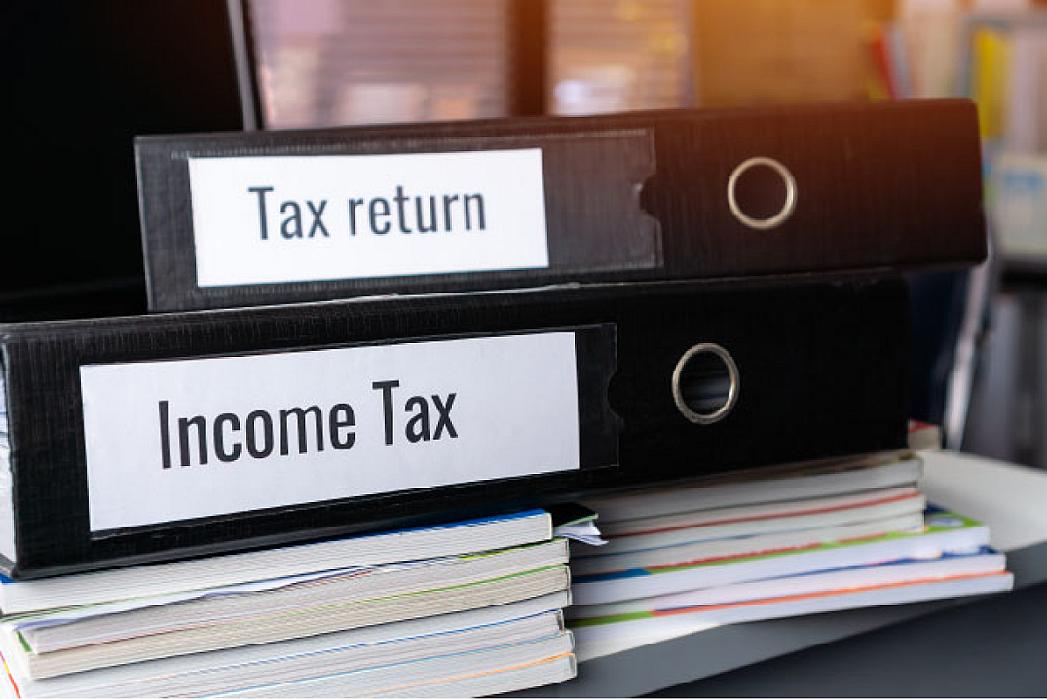
What is a self-assessment tax return?
Each year, you will need to submit a self-assessment tax return, whether you’re a sole trader or director of a business. HMRC collects income tax automatically from wages, pensions, and savings. However, if you have another source of income then you must report it in the form of a Self-Assessment Tax Return.
Who has to complete a self-assessment return?
You will need to send a tax return for any of the following reasons if for the last tax year you were:
- self-employed as a sole trader and earned more than £1,000
- a partner in a business partnership
You will not usually need to send a return if your only income is from your wages or pension. But you may need to send one if you have any other untaxed income, such as:
- money from renting out a property
- tips and commission
- income from savings, investments and dividends
- foreign income
How to file your self-assessment return
You can file your return online or by post, If you have any questions about your return, or you need help filling it in, you can call HMRC on the self-assessment helpline (0300 200 3310)
If you aren’t confident filing your tax return yourself, or you don’t have the time. At Gondal Accountancy, we’re offering to take the weight off your shoulders. We will ensure that your tax returns are completed and submitted within the deadline.
Whether you’re a sole trader, a charity, or a small business, we can help you handle your taxes, self-assessment, and support you with any financial complications. Contact our Self Assessment Accountant in Birmingham.
Self-assessment tax return deadlines
If you have completed a paper return, it must reach HMRC by October 31st and if you have done it online, it must be submitted by 31st January. A £100 fine is automatically given if you do not file the return in time. The longer you delay the return, the more you will be fined.
How to pay Your Self Assessment Tax Online
To make a payment to HMRC Unique Taxpayer Reference (UTR) is required. UTR is a 10 digit number you can find on the last self-assessment tax return filled with HMRC or any correspondence with them. You can use the following HMRC link to make self assessment payments
HMRC SELF ASSESSMENT PAYMENT LINK
If you cannot find your UTR number, you can give us a call on 0121 4399760, and we will advise you on how to request it.
If you are our client, please contact your dedicated accountant to get your 10-digit UTR number or get help paying self-assessment tax online.
Disclaimer
The content of this blog is provided for general information purposes only and should not be treated as tax, accounting, legal or financial advice. Tax rules, accounting requirements, legislation, regulations and official guidance can be complex and may change over time. As a result, some information in this article may become outdated, incomplete or no longer applicable after the date of publication.
The application of any tax, accounting or legal rule will depend on your individual or business circumstances. Before making any decision or taking any action based on the information in this article, you should seek advice from a suitably qualified tax professional, accountant, solicitor or financial adviser.
Gondal Accountancy and its staff accept no responsibility or liability for any loss, action taken, or decision made or not made as a result of relying on the information contained in this blog.